
Why Some Working Dogs Fail the Show Ring
The Border Collie who won the 2023 National Sheepdog Finals wouldn't make the cut at a regional AKC show. I watched both events.
At the sheepdog trial in Virginia, a dog named Rigg moved 500 sheep through gates, around obstacles, and into a pen with a precision that left experienced handlers shaking their heads. He anticipated his sheep. He adjusted pressure instinctively. He worked for eight minutes without a single wasted movement.
Three weeks later, I saw Rigg at a conformation show. He lasted about ninety seconds before his owner withdrew him. The dog wouldn't stand still. He kept scanning for something to herd. The judge barely looked at him.
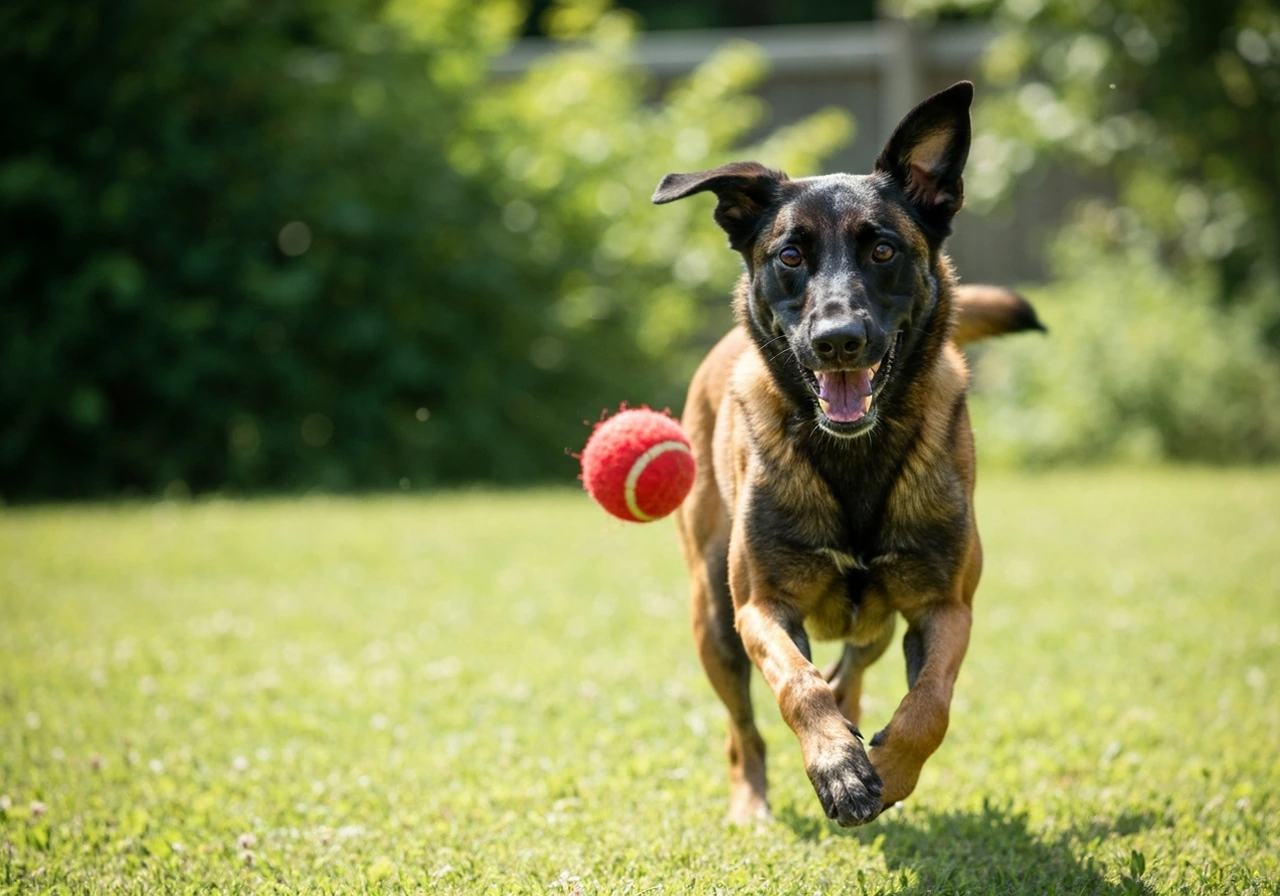
That disconnect isn't a bug in the system. It's the system working exactly as designed.
Two Different Games
Working dogs and show dogs play different games. The games have different rules, different winners, and increasingly different dogs.
A working herding dog needs intensity, stamina, and what handlers call "eye"—that focused predatory stare that controls livestock. Research from organizations like the Herding Instinct Institute has documented these behavioral traits extensively. The dog should be keyed up, alert, ready to explode into motion at a handler's whisper. Calmness is a liability. A calm dog lets sheep escape.
A show dog needs to stand still while a stranger runs hands over its body. It should gait in a predictable pattern, neither pulling ahead nor lagging behind. Excitement is a liability. An excited dog ruins its stack.
These requirements are nearly opposite. The traits that make a dog brilliant at work make it terrible at showing. The traits that make a dog brilliant at showing would make it useless on a farm.
"I stopped showing my working dogs years ago. It was embarrassing for both of us. They're not defective—they're just built for a different purpose. The ring doesn't value what they are."
The Split That Keeps Widening
This wasn't always the case. Thirty years ago, dual-purpose dogs—competitive in both work and conformation—existed in reasonable numbers. Today they're rare.
The math made it inevitable. Show success requires specialization. Working success requires specialization. Breeders optimizing for one necessarily de-optimize for the other. Over generations, populations diverge.
Border Collies show the split most clearly because they have the most serious working community. The dogs winning sheepdog trials look nothing like the dogs winning conformation shows. Different body types. Different coat lengths. Different head shapes. Same breed name, different animals.
German Shepherds split decades ago. American show lines and European working lines might as well be separate breeds. As I reported in my piece on FCI vs AKC standards, an American show champion would fail basic working tests in Germany. The gap continues widening.
What Show Breeders Select Against
Here's the uncomfortable truth that working dog enthusiasts understand but show breeders rarely admit: conformation breeding actively selects against working instincts.
Why? Because strong working instincts make dogs difficult. A Border Collie with intense eye will fixate on other dogs in the ring. A German Shepherd with real protection drive might not welcome a judge's examination. A Labrador with hunting drive might break position to chase an imaginary bird.
Show breeders learn to avoid these dogs. They're problems. They embarrass handlers. They lose.
Selection pressure is merciless. The dogs that win reproduce. The dogs that lose don't. Over generations, the traits that cause losing get bred out—even when those traits are exactly what the breed was created to do.
David Park breeds English Setters. He tried maintaining working ability in his show lines for twenty years before giving up.
"Every time I bred for more hunting drive, I got dogs that couldn't settle in the ring. Every time I bred for ring temperament, I got dogs that couldn't find a bird in a ten-foot pen. I finally admitted I had to choose. I chose shows. The working community thinks I'm a traitor. Maybe they're right."
The Temperament Problem
Temperament testing reveals the divergence in measurable ways.
Dr. Amanda Chen conducts behavior assessments at UC Davis. She's tested hundreds of dogs from both working and show lines across multiple breeds. Her findings are consistent: show-bred dogs score lower on prey drive, environmental curiosity, and problem-solving persistence. They score higher on tolerance of handling and recovery from stress.
Neither profile is "better." Both are adaptive for their contexts. But they're clearly different.
The judges I interviewed for this series mostly dismissed temperament concerns. They evaluate structure, they said. Temperament is the breeder's problem. But temperament affects presentation, and presentation affects judging. The system rewards calm dogs with moderate drives. Working breeds become calmer and more moderate.
The Physical Changes
Structure follows selection pressure too.
A working herding dog benefits from moderate bone, balanced angles, and a body that can run all day without breaking down. These traits don't catch judges' eyes. Judges notice extremes—more angulation, heavier bone, longer necks, more dramatic outlines.
Show dogs get more extreme. Working dogs stay moderate. The gap becomes visible.
At the 2024 Westminster show, I photographed the Best of Breed winners in herding and sporting groups. Then I photographed top working dogs at trials. Placing the images side by side was startling. Same breeds, obviously different types.
The show Labrador was heavier, with a blockier head and a thicker coat than any duck-hunting Lab I've seen. The show Border Collie had a massive coat that would collect burrs in any real field work. The show Australian Shepherd had a stacked rear that looked dramatic but would exhaust any dog trying to work cattle.
Breeders who show argue these are improvements. Breeders who work argue these are deformations. The standard technically supports both interpretations, which tells you something about how useless standards become when community splits.
Dual-Purpose Dogs: An Endangered Species
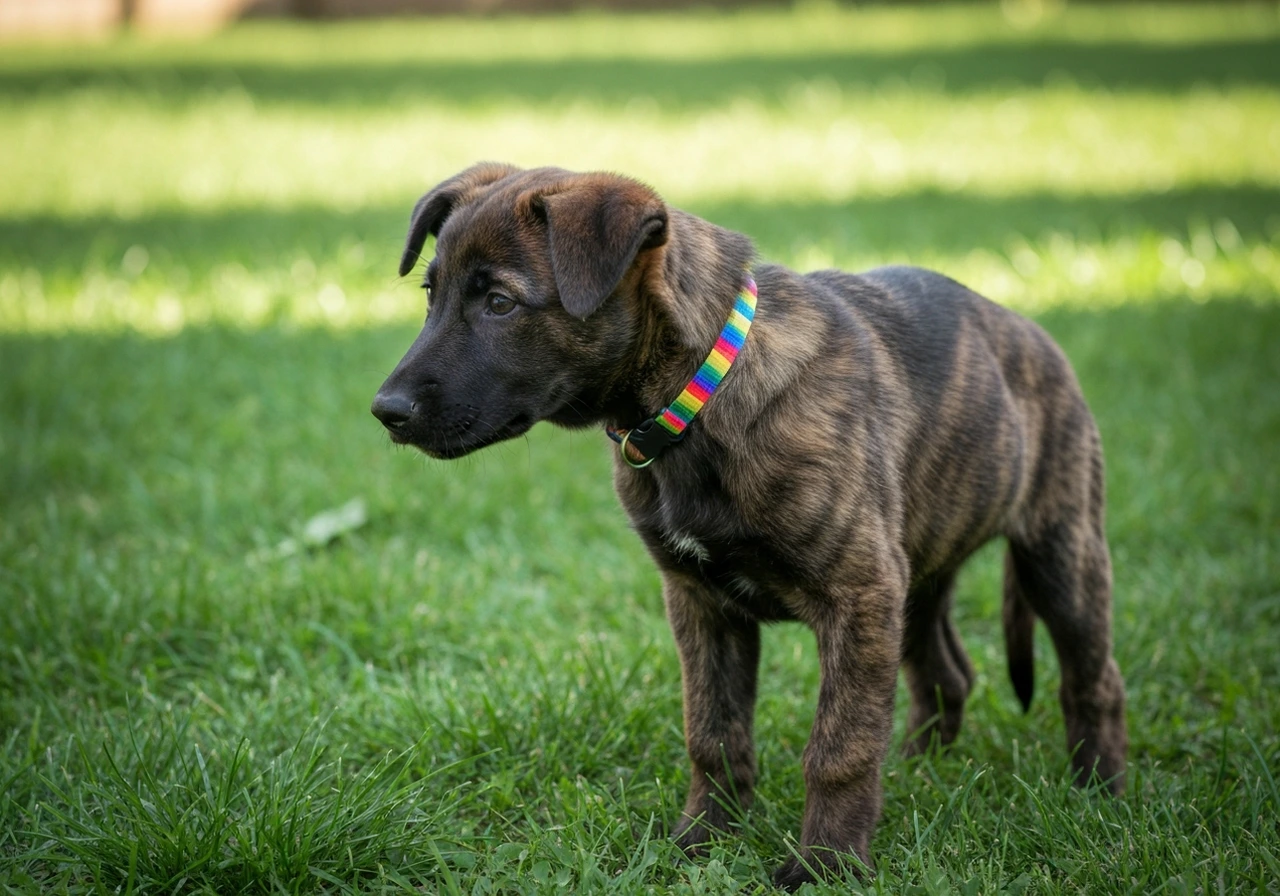
Some breeders still try. They're getting rarer.
Katherine Morris breeds Belgian Tervuren in Montana. She shows her dogs to championships and also competes in herding trials. It's possible, she says, but exhausting. The deeper controversy surrounding the Tervuren working standard reveals just how far the breed has drifted from its herding origins.
"I keep two breeding lines. My show dogs can herd—they passed instinct tests. My herding dogs can show—they've finished championships. But neither line excels at both. The dogs that really dominate in herding are wrong for the ring, and vice versa."
Morris estimates fewer than a dozen Tervuren breeders in the country seriously pursue both goals. The number shrinks yearly. Young breeders see the difficulty and specialize immediately. The dual-purpose tradition dies with her generation.
What the Kennel Clubs Could Do
Reform is theoretically possible. The politics of breed recognition make it practically impossible.
European systems sometimes require working tests for breeding certification. The German Shepherd breed survey in Germany includes temperament and protection evaluations. Dogs must demonstrate working ability, not just conformation correctness.
The AKC has no equivalent requirement. Dogs earn championships through showing. Period. Working ability is optional and irrelevant to breeding eligibility.
Some parent clubs have tried implementing working requirements. The resistance comes immediately. Show breeders argue that working tests disadvantage their dogs—which is exactly the point. But they have votes. Working breeders don't.
The Versatile Hunting Dog programs (NAVHDA) for pointing breeds show what's possible. These tests evaluate hunting ability alongside conformation. Dogs must perform in the field to earn top rankings. The breeds participating—German Shorthaired Pointers, Vizslas, Weimaraners—maintain stronger working populations as a result.
But NAVHDA operates outside AKC control. When working tests conflict with show careers, breeders can choose. Most AKC breeders choose shows.
The Working Community's Response
Serious working breeders increasingly ignore kennel clubs entirely.
The Border Collie sheepdog community registers dogs through the American Border Collie Association, not the AKC. They actively opposed AKC recognition when it happened, predicting exactly the divergence that followed. They were right.
Belgian Malinois working breeders import dogs from European police and military lines. They have no interest in American show dogs. The show population might as well be a different breed.
This parallel universe approach preserves working ability but fragments the breeds. Two populations breeding in isolation will continue diverging. Eventually, reunification becomes genetically difficult even if anyone wanted it.
What Happens Next
The split will continue. Economics and selection pressure guarantee it.
Show breeders will produce increasingly refined, calm, dramatic-looking dogs that excel at standing still. Working breeders will produce increasingly intense, moderate, functional dogs that excel at their jobs. The same breed names will describe animals with diminishing resemblance.
At some point, honesty might demand recognition that these are different breeds. The AKC won't make that call—they gain nothing from it. But genetic studies might force the issue. When research shows that working and show populations have diverged enough that crossing them produces problems, the fiction of a unified breed becomes harder to maintain.
For now, the pretense continues. The working Labrador and the show Labrador are both Labrador Retrievers. One retrieves. One doesn't.
Finding Working Dogs
If you want a dog that can actually do what its breed was created to do, here's my advice.
Skip the show breeders entirely. Find breeders committed to ethical practices who compete in the relevant working venue—herding trials, hunt tests, Schutzhund, field trials. Ask for dogs from working lines, not show lines. Accept that your dog might not win any beauty contests.
Better yet, attend working events before you buy. Watch the dogs perform. Talk to handlers. Learn what real working ability looks like. The dogs that impress you there are the dogs you should seek.
The show ring will keep crowning champions that couldn't do a day's work. That's fine for people who want show dogs. For everyone else, there's a parallel universe of breeders preserving what these breeds actually are.
I'll keep writing about both. Someone needs to document what we're losing while we still remember what we had.