
Structural Soundness in Working Breeds: What Standards Should Require
A dog's structure determines what it can do. This fundamental truth should guide every breed standard written for working dogs. Instead, show ring aesthetics have driven many breeds toward structural extremes that compromise function, health, and longevity.
Sound structure isn't about beauty—it's about biomechanics. A structurally sound dog can perform physical tasks efficiently, maintain that performance over time, and avoid the breakdown that follows from anatomical compromise. Working dog standards should prioritize this principle above all others.
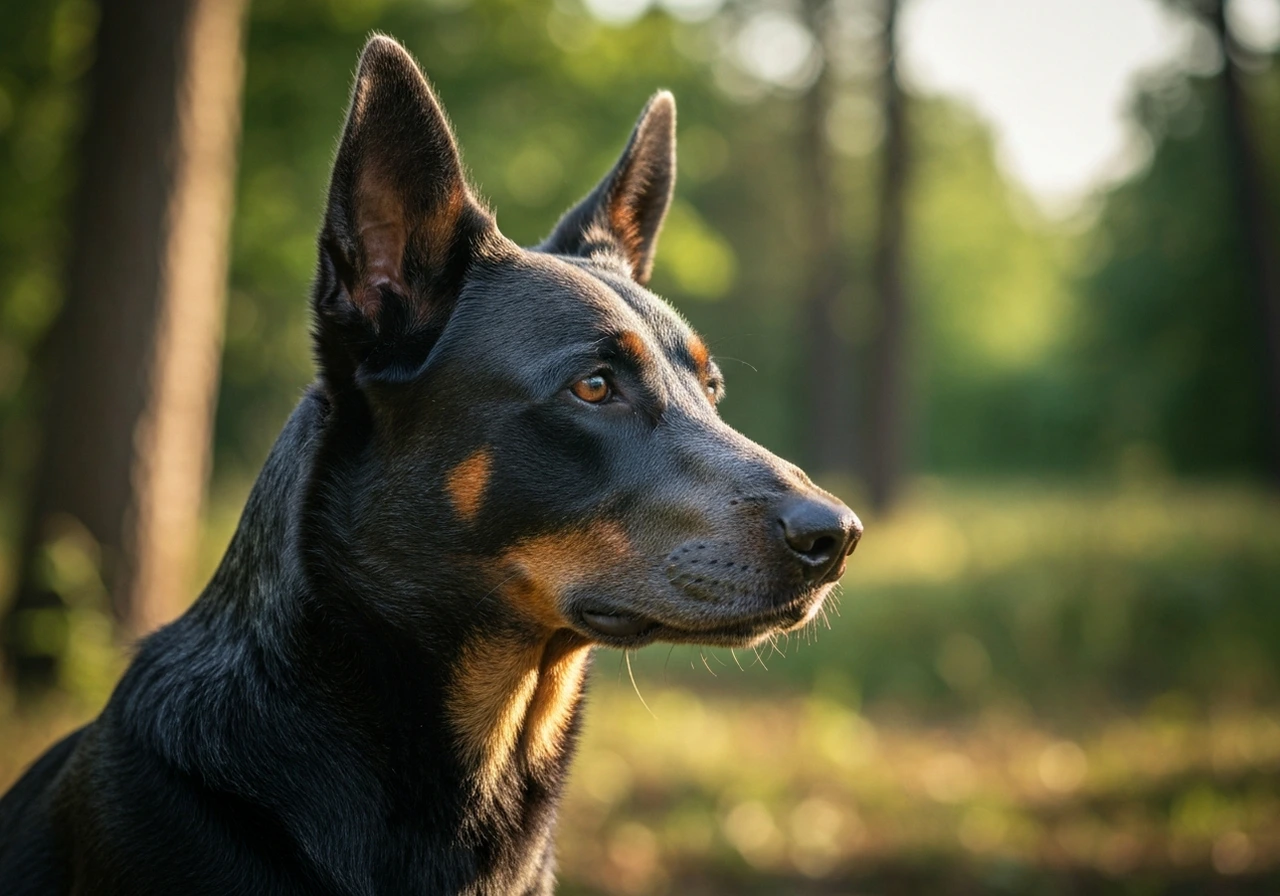
What Structural Soundness Actually Means
Structural soundness refers to anatomical correctness that enables efficient movement and sustained physical performance. A sound dog has proportions, angles, and assembly that work together biomechanically. No single part is so extreme that it compromises the function of other parts.
Balance defines sound structure. Front and rear angulation should match. Leg length should relate proportionally to body length. Bone should be adequate for the dog's size but not excessive. Every structural element should serve the whole rather than standing out individually.
Movement reveals structure. A sound dog moves efficiently, covering ground with minimal wasted effort. The stride is smooth and sustainable. There's no interference between legs, no compensatory patterns to work around structural problems, no early fatigue from fighting poor mechanics.
Longevity tests structure. A dog that moves beautifully at two years but breaks down by five wasn't sound—it was just young. True soundness sustains performance across a working career. The eight-year-old working dog should move as efficiently as it did at three, just perhaps with slightly less speed.
How Show Breeding Compromises Structure
Show ring selection has systematically undermined structural soundness in many working breeds. The mechanism is straightforward: judges reward what they notice, and extreme features get noticed.
Angulation exaggeration represents the most common structural compromise. Extreme rear angulation in German Shepherds. Steep shoulders in Dobermans. Overangulated stifles in sporting breeds. These extremes create dramatic profiles that catch judges' eyes. They also create dogs that cannot sustain physical work.
Size inflation affects nearly every breed. Bigger dogs command attention in the ring. Over time, show populations drift toward the upper limits of standards and beyond. A Labrador Retriever standard describes a 65-75 pound dog. Show Labs routinely exceed 90 pounds. The extra size adds mass that joints were never designed to carry.
Coat exaggeration creates maintenance burdens that working dogs cannot sustain. The profuse coat prized in show Golden Retrievers would collect every burr, twig, and seed in any actual retrieval work. Working retrievers maintain shorter, denser coats that shed debris and dry quickly. Show coats are beautiful. They're also functionally problematic.
"In the show ring, judges have two minutes to evaluate a dog. They notice extremes. A moderate dog, however sound, doesn't catch the eye like an extreme dog. This selection pressure has been operating for decades. The results are visible in every breed with significant show populations."
The Biomechanics of Working Movement
Working dogs move differently than show dogs because they need to move differently. Understanding this distinction illuminates why structure matters.
A herding dog covering rough terrain all day needs ground-covering efficiency. The stride should be long enough to cover distance but not so extended that it wastes energy. The footfall pattern should be square—no single leg reaching significantly farther than others. Energy expenditure per meter traveled should be minimized.
A protection dog launching at a decoy needs explosive power from a stable base. The rear assembly must transmit force efficiently through the spine to the front. Extreme angulation, which looks dramatic in a trot, often compromises this power transmission. The angles that win shows aren't the angles that produce effective drives.
A retriever working cold water all day needs efficient swimming mechanics and rapid heat generation. Moderate bone and balanced angulation serve these needs. The heavy bone and exaggerated fronts of show retrievers create drag in water and reduce swimming efficiency. These dogs tire faster and risk hypothermia sooner.
Every working application has specific structural requirements. The common thread is moderation and balance. Extremes may look impressive but almost always compromise function.
Specific Structural Concerns by Breed
Different breeds face different structural challenges, though the underlying pattern—show breeding driving extremes—remains consistent.
German Shepherds suffer from extreme rear angulation that creates a roached topline and compromises spinal integrity. Working German Shepherds maintain moderate angulation similar to the breed's founding type. The difference is visible at a glance and measurable in veterinary orthopedic assessments. Our detailed analysis of working versus show line German Shepherds documents these structural differences and their health consequences.
Labrador Retrievers have drifted toward excessive size, substance, and coat. Working Labs remain moderate in all respects—smaller, leaner, shorter-coated. The field-bred Lab can work all day. The show Lab often cannot sustain an hour of active retrieval.
Border Collies show less dramatic structural divergence but still exhibit differences. Show Borders trend toward heavier bone and fuller coats. Working Borders maintain the lighter, more athletic build that enables the quick direction changes herding requires.
Belgian Malinois face pressure toward exaggerated angulation in show lines, though the breed's strong working community has limited this drift. Most serious Malinois breeders ignore shows entirely, preserving the moderate structure that makes these dogs effective.
Doberman Pinschers exhibit structural divergence between American and European populations. American Dobermans tend toward steeper shoulders and longer backs. European dogs maintain more moderate proportions. The differences affect both movement efficiency and longevity.
Rottweilers face perhaps the most dramatic size inflation of any working breed. American show Rottweilers routinely exceed FCI standard height and weight limits, carrying excessive bone and mass that stress joints and shorten working careers. The Rottweiler standard crisis illustrates how unchecked show breeding can transform a versatile working guard dog into an oversized, structurally compromised companion animal within a few decades.
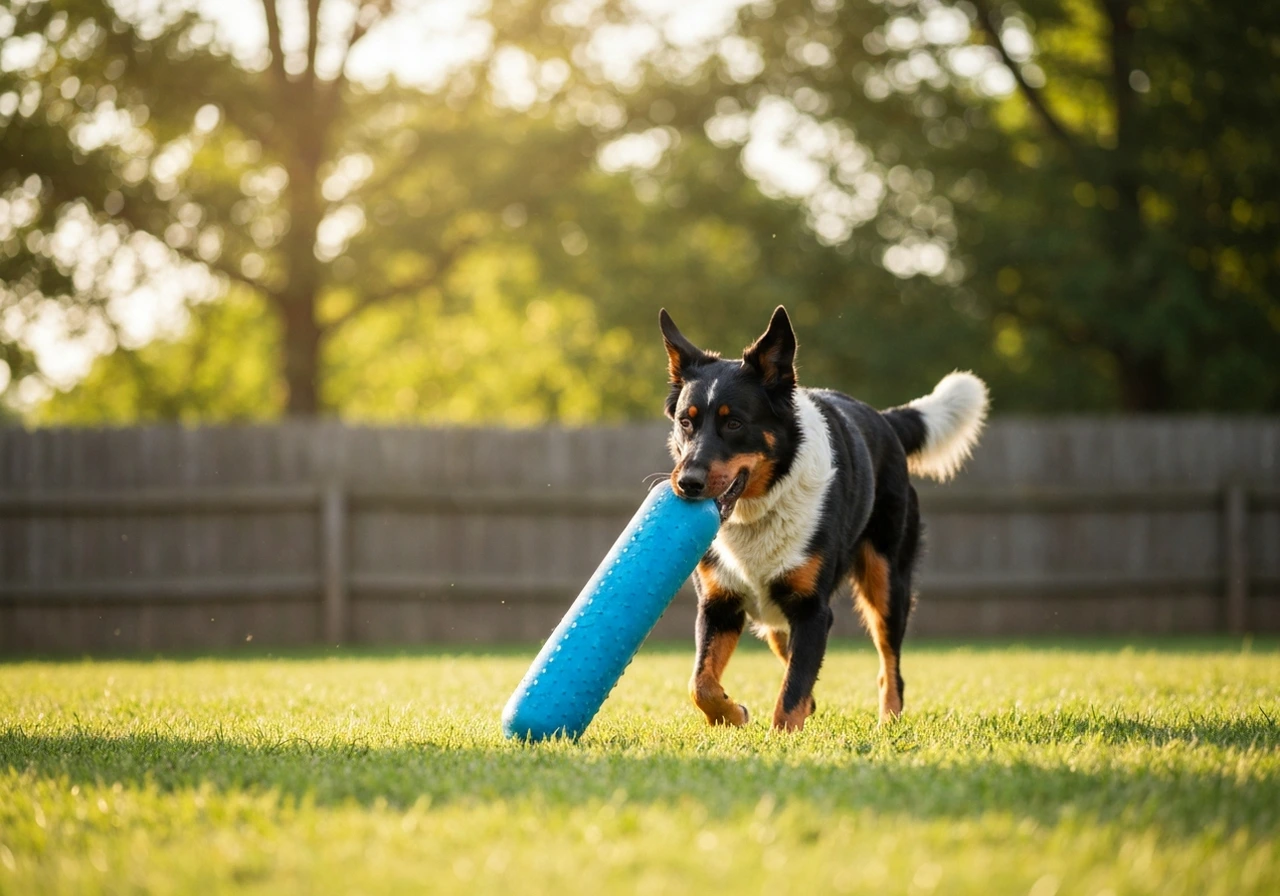
Health Consequences of Structural Compromise
Structural extremes don't just affect working ability—they cause medical problems. The health consequences of show-driven breeding are documented extensively in veterinary literature.
Joint disorders correlate strongly with structural extremes. Hip dysplasia, elbow dysplasia, and cruciate ligament tears occur more frequently in populations bred for exaggerated angulation or excessive size. The mechanics are straightforward: joints stressed beyond their design parameters eventually fail.
Spinal problems follow from topline exaggeration. Degenerative myelopathy, intervertebral disc disease, and lumbosacral stenosis all occur more frequently in breeds where show selection has created abnormal spinal curvature. The German Shepherd's roached back isn't just ugly—it predisposes to neurological decline.
Cardiovascular stress accompanies size inflation. Larger dogs require larger hearts to pump blood through larger bodies. But heart size doesn't always scale appropriately with body size, particularly when size increases have been rapid. Dilated cardiomyopathy rates have climbed in several breeds as show populations have grown heavier.
What Standards Should Require
Breed standards for working dogs should prioritize function over form. Specific reforms would help achieve this goal.
Standards should explicitly prohibit extremes. Language warning against exaggeration exists in some standards but lacks enforcement. Standards should specify disqualifying faults for structural extremes—not just preferences against them but absolute bars to competition.
Standards should require demonstrated working ability for breeding eligibility. Dogs that cannot perform breed-typical work should not be bred, regardless of how they look. This single reform would redirect selection pressure toward functional structure.
Standards should include health testing requirements with disqualifying thresholds. Dogs failing orthopedic evaluations should be ineligible for championship titles. The variation in how international registries enforce health testing shows exactly what works and what does not. This connects show success to structural health rather than allowing the two to diverge.
Standards should reference the breed's working purpose explicitly and require judges to evaluate structure in that context. A German Shepherd judge should be asking whether the dog could work all day, not whether it has the most dramatic topline. Standards should direct this evaluation.
Standards should discourage coat extremes that impede working function. The "more is better" coat aesthetic serves no purpose except distinguishing show dogs from working dogs. Standards should specify functional coat requirements appropriate to the breed's work.
The Resistance to Reform
Structural reform faces significant resistance from breeding communities invested in current standards. Understanding this resistance helps explain why problematic breeding continues.
Economic interests oppose change. Breeders whose dogs win under current standards have financial incentives to oppose reforms that would devalue their breeding stock. A kennel built around extreme-angulation German Shepherds cannot support standards requiring moderate angulation. The economics make opposition inevitable.
Generational investment creates attachment. Breeders who have spent decades developing a particular type feel ownership of that type. Telling them their life's work has produced structurally unsound dogs—even when true—generates defensive reactions rather than openness to reform.
Show infrastructure perpetuates extremes. Judges learn to evaluate current types. Handler techniques optimize for current types. Photography conventions celebrate current types. Changing standards requires changing an entire ecosystem that has evolved around existing extremes.
"Every reform effort runs into the same wall: the people who would have to change are the people with power to prevent change. Show breeders control parent clubs. Parent clubs control standards. The system protects itself."
Working Communities as Preservation
While show populations drift toward extremes, working communities preserve functional structure by necessity. Dogs that cannot work are not bred. Selection pressure maintains soundness automatically.
Herding trial dogs maintain the moderate structure that enables all-day performance. Breeders selecting for trial success don't need standards requiring soundness—unsound dogs fail trials and leave the gene pool. Function enforces structure. The Border Collie's split between working and show populations demonstrates how this preservation mechanism operates in practice.
Police and military breeding programs maintain structure through performance testing. Dogs that break down during training or early in careers are not bred. The selection is merciless but effective. Working German Shepherds, Malinois, and Dutch Shepherds from these programs exhibit consistent structural soundness.
Hunting dog breeders maintain structure through field testing. A retriever that cannot swim efficiently or a pointer that cannot run all day contributes nothing to a hunting program. Selection for hunting success maintains the structure hunting requires.
These working populations represent the breed preservation that show populations often claim but rarely achieve. The irony is rich: the dogs dismissed as "pet quality" by show breeders often exhibit the soundness that show dogs have lost.
Evaluating Structure Yourself
Anyone can learn to evaluate basic structural soundness. A few principles guide initial assessment.
Look for balance first. The dog's outline should appear harmonious. No single feature should dominate—not the head, not the rear angulation, not the coat. Parts should flow together into a coherent whole.
Watch the dog move from the side. The stride should appear effortless. The dog should cover ground smoothly, with no bobbing, weaving, or compensatory movements. A sound dog makes movement look easy because it is easy for a sound dog.
Watch the dog move coming and going. Legs should track straight without interference. Front legs shouldn't wing out. Rear legs shouldn't cow-hock or move too close together. Straight tracking indicates joints aligned and functioning correctly.
Feel for bone quality. Bone should be adequate for the dog's size but not excessive. Heavy bone adds weight that joints must carry. Moderate bone supports the dog's mass without creating unnecessary load.
Ask about longevity in the dog's lines. Sound structure sustains working careers. If dogs from a particular breeding program break down early, structure is probably compromised regardless of how the dogs look.
The Future of Structural Standards
Pressure for structural reform is building. Veterinary research documents health consequences of structural extremes with increasing precision. Public awareness of breed health problems grows through social media and journalism. Welfare legislation in some countries now restricts breeding of anatomically extreme dogs.
Kennel clubs face a choice: reform standards proactively or have reform imposed externally. The UK Kennel Club's post-2008 revisions demonstrate what external pressure can accomplish. The BBC documentary that triggered those revisions revealed problems kennel clubs had denied for decades. Similar pressure will come to other kennel clubs. Our analysis of AKC reform prospects examines what might trigger similar changes in American breed standards.
Working communities will continue maintaining sound structure regardless of what happens in show rings. These populations represent the genetic reservoir from which breeds can be reconstructed if necessary. As show populations become increasingly compromised, working populations become increasingly valuable.
For individual buyers, the lesson is clear: if you want a structurally sound working breed dog, seek dogs from working programs and consult resources like The Ethical Breeder for guidance on evaluating breeding programs. Show pedigrees full of championship titles often indicate structural compromise rather than structural quality. The ribbons celebrate aesthetics that may conflict directly with the soundness you need.
Structure determines what a dog can do and how long it can do it. Standards should enforce structural soundness. Where they don't, buyers must evaluate structure themselves and select accordingly. The dogs deserve better than breeding practices that sacrifice their bodies for blue ribbons.