
Belgian Malinois and Dutch Shepherd: Working Standards Compared
The Belgian Malinois has become the dominant breed in professional protection work worldwide. Police departments, military units, and personal protection services increasingly choose Malinois over German Shepherds. Meanwhile, the Dutch Shepherd remains less known but equally capable, often preferred by handlers seeking slightly different working characteristics.
Both breeds face the challenge that confronts all working breeds: maintaining working ability in the face of show ring pressures. Examining how their standards address this challenge—and how breeding communities respond—illuminates broader lessons about preserving working capacity.
Origins and Development
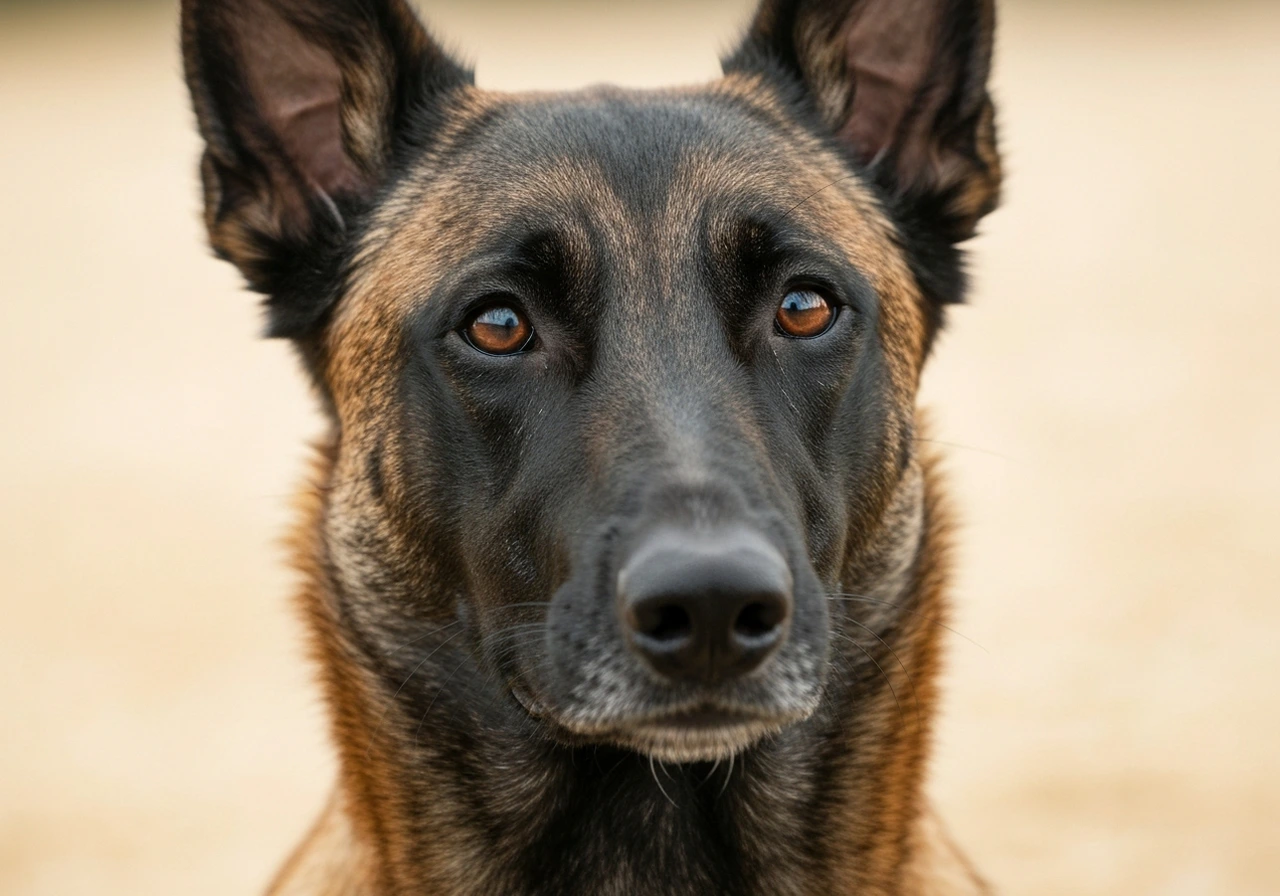
The Belgian Malinois developed in Belgium as one of four Belgian Shepherd varieties distinguished primarily by coat type. The Malinois takes its name from the Malines region where the short-coated variety concentrated. Originally a herding dog, the breed transitioned to protection and police work as agricultural demands changed.
The Dutch Shepherd developed in the Netherlands from similar working stock. Like the Malinois, the Dutch Shepherd was originally a herding dog that transitioned to protection work. Three coat varieties exist—short, long, and wire—though the short coat predominates in working populations.
Both breeds emerged from the same general geographic area and functional background. Their similarities are not coincidental—they developed from related stock for similar purposes. Their differences reflect different national breeding programs operating over the past century.
The critical difference in recent history is population size. Malinois numbers have exploded as professional demand has grown. Dutch Shepherds remain numerically smaller, with working populations concentrated in the Netherlands and spreading gradually through international professional circles.
Standard Structure: Belgian Malinois
The FCI standard for the Belgian Shepherd Dog (which includes Malinois as a variety) emphasizes working character alongside physical description. The standard explicitly connects appearance to function.
Physical specifications call for a medium-sized dog with dry, strong musculature. The body should be powerful but not heavy, combining substance with agility. The standard describes a dog built for sustained athletic performance, not static beauty.
Temperament description receives significant attention. The standard calls for alertness, activity, and attentive watchfulness. Dogs should be neither fearful nor aggressive without cause. The combination of vigilance, courage, and emotional stability defines appropriate temperament.
The standard warns against physical extremes. Excessive or insufficient size, disproportionate build, and exaggerated features are faulted. The language directs breeders toward moderate, functional dogs rather than dramatic specimens.
Belgian breeding requirements support the standard. Dogs must pass temperament evaluations and often must demonstrate working ability before breeding certification. The standard exists within a system that enforces its functional intent.
"The Belgian standard describes a working dog because Belgians breed working dogs. The words matter less than the system. When breeding requires demonstrated work, the dogs remain workers. When breeding requires only appearance, words about working character become meaningless."
Standard Structure: Dutch Shepherd
The Dutch Shepherd standard similarly emphasizes function and character. The standard describes a medium-sized, moderately built dog with evident working capability.
Physical specifications call for balanced, harmonious construction. The dog should appear powerful but not heavy, agile but not slight. Proportions should suggest capability for varied physical demands—the sprinting of pursuit, the endurance of patrol work, the strength of apprehension.
Temperament requirements are explicit and specific. The standard calls for an alert, obedient character with proven working ability. Dogs should be loyal, reliable, and independent without being uncontrollable. The balance between handler responsiveness and autonomous problem-solving defines the ideal.
The Dutch standard includes specific disqualifications for temperament faults. Fearful or aggressive dogs are disqualified regardless of physical quality. This explicit language makes temperament a non-negotiable requirement rather than a preference.
Dutch breeding practices reinforce standards through KNPV (Royal Dutch Police Dog Association) testing. While not mandatory for all breeding, KNPV certification is highly valued and common in working populations. This testing system maintains selection pressure for working ability independent of show success.
Working Capacity: Current State
Both breeds currently maintain strong working populations because working communities remain active and influential. Understanding the current state helps identify what preserves working capacity.
Belgian Malinois working populations supply police departments and military units worldwide. The dogs' combination of drive, athleticism, and trainability makes them preferred for demanding applications. Working Malinois demonstrate capabilities that no amount of breeding for appearance could maintain—the selection pressure comes from performance requirements.
Dutch Shepherds occupy a similar niche, particularly in KNPV and ring sport competition. The Netherlands' robust working dog community maintains selection pressure for performance. Dutch Shepherds from KNPV backgrounds can transition directly to professional work.
Both breeds also have show populations that diverge from working lines. Show Malinois and Dutch Shepherds exist, bred for conformation competition rather than working performance. These populations exhibit the typical show drift—calmer temperaments, sometimes modified structure, reduced working drive.
The divergence is less severe than in German Shepherds because working communities remain proportionally larger and more influential. Working Malinois represent a substantial market. Breeders have economic incentive to maintain working quality. This market pressure sustains working populations even without kennel club requirements.
Temperament Comparison
Despite similar standards, Malinois and Dutch Shepherds exhibit somewhat different temperament profiles. Understanding these differences helps match dogs to applications.
Malinois typically display extremely high drive and intensity. The dogs are often described as "always on"—constantly alert, ready to work, demanding engagement. This intensity makes Malinois brilliant in professional applications but challenging for inexperienced handlers. The energy that enables exceptional performance also creates management challenges.
Dutch Shepherds often exhibit slightly more balanced temperament profiles. The dogs have strong drives but may transition between working and settling more smoothly. Some handlers prefer Dutch Shepherds for applications requiring dogs to work intensely when needed but relax appropriately when not working.
These generalizations mask substantial individual variation within both breeds. The best Malinois can settle; the most intense Dutch Shepherds rival any Malinois for drive. Line-specific characteristics matter more than breed generalizations. A calm Dutch Shepherd from show lines differs more from an intense Dutch Shepherd from KNPV lines than that intense dog differs from a comparable Malinois.
Structural Differences
Physical differences between the breeds, while present, matter less for working ability than temperament and drive differences.
Malinois tend toward slightly lighter build with extreme athleticism. The best working Malinois combine speed, agility, and explosive power in a moderate-sized package. Structure supports function—the dogs are built to perform, not to impress judges.
Dutch Shepherds may average slightly heavier bone, though working populations remain athletic. The breed standard allows more variation in size than the Malinois standard. Some Dutch Shepherds approach German Shepherd size while others remain Malinois-sized.
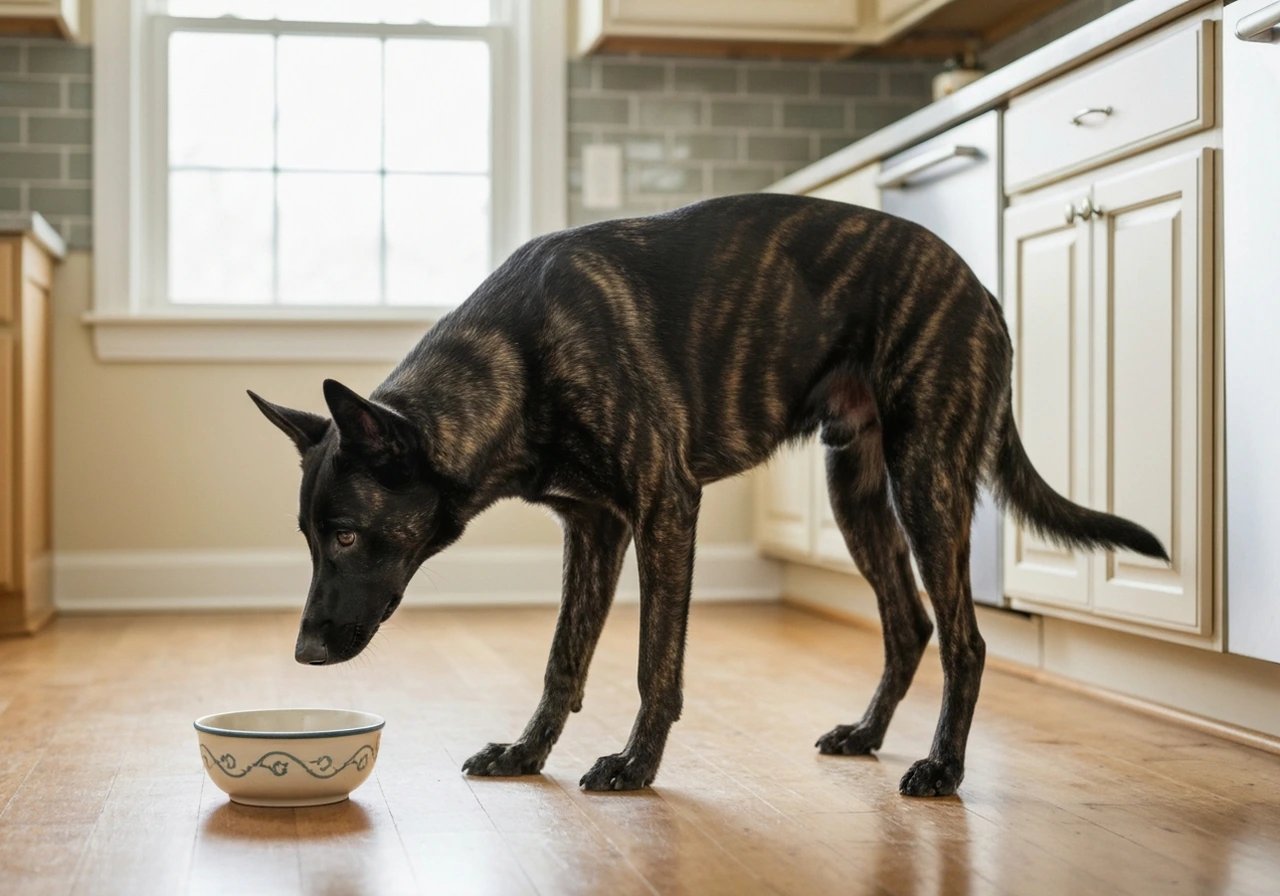
The brindle coat pattern distinguishing Dutch Shepherds serves no functional purpose but helps prevent interbreeding with similar breeds. This visual distinction maintains breed identity despite functional similarity to Malinois and Belgian Tervuren—a variety whose ongoing working standard controversy illustrates how coat-focused selection can overwhelm functional breeding priorities.
Both breeds maintain structural soundness in working populations because unsound dogs cannot perform. The selection pressure from working requirements automatically maintains the structure working requires. Show populations in both breeds occasionally exhibit structural drift, though less severely than in German Shepherds.
The KNPV System
Understanding Dutch Shepherds requires understanding KNPV, the Dutch police dog training and certification system that shapes the breed's working population.
KNPV operates as a certification program for police dogs in the Netherlands. Dogs compete in trials evaluating tracking, obedience, and protection work. Successful dogs earn certificates at various levels, with higher certificates indicating more advanced capability. This system differs from IGP testing protocols in its emphasis on practical police work over sport presentation.
The KNPV system differs from IGP in several ways. KNPV emphasizes practical police work more than sport presentation. Protection exercises include multiple attackers, weapons, and realistic scenarios. The testing evaluates whether dogs can actually function in police service, not whether they can perform stylized routines.
Dutch Shepherds dominate KNPV competition. The breed developed within this system, and selection for KNPV success shaped breed characteristics. The intensity and hardness that define working Dutch Shepherds come from decades of selection for KNPV performance.
Dogs with strong KNPV backgrounds command premium prices from professional buyers worldwide. Police departments seeking proven working dogs often source from KNPV lines because the certification demonstrates real-world capability. This demand maintains selection pressure for working quality.
"KNPV dogs are tested in ways that predict actual service performance. A PH1 Dutch Shepherd has demonstrated capabilities that matter for police work. That certification means more than any show championship because it measures what actually matters."
Ring Sport Influence
Belgian ring sport has similarly influenced Malinois development. Understanding this influence helps evaluate Malinois breeding programs.
Belgian ring sport (Campagne) predates Schutzhund and uses different testing protocols. The protection scenarios are more varied and require dogs to make independent decisions. The sport rewards dogs that think rather than dogs that simply follow routines.
French ring sport similarly influences Malinois breeding, particularly in populations that have developed in France. The French system includes dramatic scenarios—multiple helpers, obstacles, varied terrain—that demand athletic, mentally flexible dogs.
Both ring systems select for qualities that transfer to professional work. Dogs that excel in ring sport often transition effectively to police or military service. This correlation maintains the relevance of sport breeding to working applications.
The sport community's influence on Malinois breeding helps explain why the breed maintains working capacity better than German Shepherds. German Shepherd sport populations exist but are smaller relative to show populations. Malinois sport populations are proportionally larger, and their selection pressure matters more for breed-wide characteristics.
Show Population Development
Both breeds have show populations that diverge from working lines. Examining this divergence reveals familiar patterns.
Show Malinois exhibit typical show drift. Temperaments trend calmer. Coat quality receives more attention. Some lines develop structure that prioritizes ring presentation over working capability. Show Malinois can earn championships without demonstrating any working ability.
Show Dutch Shepherds face similar pressures. The distinctive brindle coat becomes a selection focus. Temperament softens to produce dogs that show reliably. Working drive diminishes when not selected for.
The show populations remain relatively small in both breeds. Working demand sustains working populations that dwarf show populations. This ratio differs dramatically from German Shepherds, where show populations dominate numerically and the structural divergence has become severe.
The relatively small show populations mean that show drift, while present, hasn't yet captured the breeds. Working lines remain the mainstream. Show lines exist as alternatives rather than defaults. This relationship could change if show breeding expands without corresponding growth in working programs.
Standards and Enforcement
Both breed standards describe working dogs. The crucial question is whether standards are enforced through breeding requirements and judge education.
FCI systems typically require some demonstration of working ability for Belgian Shepherds. The specifics vary by country, but breeding certification often requires temperament evaluation and may require working titles. This enforcement maintains connection between standard language and actual dogs.
Dutch Shepherd breeding in the Netherlands incorporates KNPV influence even when formal requirements don't mandate certification. The cultural expectation that Dutch Shepherds work shapes breeding decisions. Breeders who produce non-working Dutch Shepherds face market resistance.
AKC systems for both breeds impose no working requirements. Dogs can earn championships through appearance alone. The disconnect between standard language about working character and actual breeding requirements creates the conditions for divergence.
The difference between FCI/working community enforcement and AKC non-enforcement explains much of the breed difference across populations. Standards matter only when enforced. Words without requirements produce dogs without the described characteristics.
Choosing Between Breeds
For buyers considering Malinois or Dutch Shepherds for working purposes, the choice depends on specific requirements and available dogs.
Malinois offer larger selection. More breeders producing more dogs means more options. Finding a Malinois from proven working lines is easier simply because more exist. The market infrastructure for working Malinois is well-developed.
Dutch Shepherds may suit handlers seeking specific characteristics. Some handlers prefer the slightly more settleable temperament some Dutch Shepherd lines offer. Some value the breed's relative obscurity—fewer untrained "pet" Dutch Shepherds create fewer problems than poorly-managed pet Malinois.
Line selection matters more than breed selection. A Malinois from mediocre lines offers less than a Dutch Shepherd from excellent lines—and vice versa. The specific dogs and breeding programs under consideration matter more than breed-level generalizations.
Both breeds require experienced handlers. Neither is appropriate for first-time dog owners or casual pet seekers. The drives and intensity that make these dogs excellent workers make them challenging to live with when not provided appropriate outlets.
Future Considerations
Both breeds face ongoing challenges that will shape their future development.
Malinois popularity brings risks. As the breed becomes fashionable, breeding for the pet market increases. Dogs bred without regard for working ability enter the population. Popular sire effects can spread problematic genetics widely. The same popularity that currently sustains working demand could eventually undermine it.
Dutch Shepherd populations remain smaller and more controlled, but limited numbers create their own risks. Genetic diversity constraints may force compromises. Small populations can drift through random effects even when selection is intentional.
Both breeds benefit from active working communities that maintain selection pressure independent of kennel club systems. As long as professional demand for working dogs exists and working communities supply that demand, these breeds will likely retain working capacity. This dynamic illustrates the broader principles of breed preservation through working programs that apply across all working breeds.
The lesson from these breeds is that working communities preserve working dogs. Standards describe what dogs should be. Working communities ensure that dogs actually are what standards describe. When working communities thrive, breeds maintain function. When they don't, breeds drift toward whatever show rings reward. The standards matter less than the systems that enforce them.