
FCI Breeding Requirements Explained: What Working Tests Actually Require
The fundamental difference between FCI and AKC breeding systems is simple: FCI often requires working demonstrations before dogs can breed, and AKC never does. This single distinction shapes everything that follows—the dogs produced, the breeders involved, and the breeds preserved.
Understanding FCI breeding requirements matters for anyone interested in working breeds. These requirements explain why European working dogs often differ from American show dogs. They also provide models for what reform might look like in systems that currently lack functional requirements.
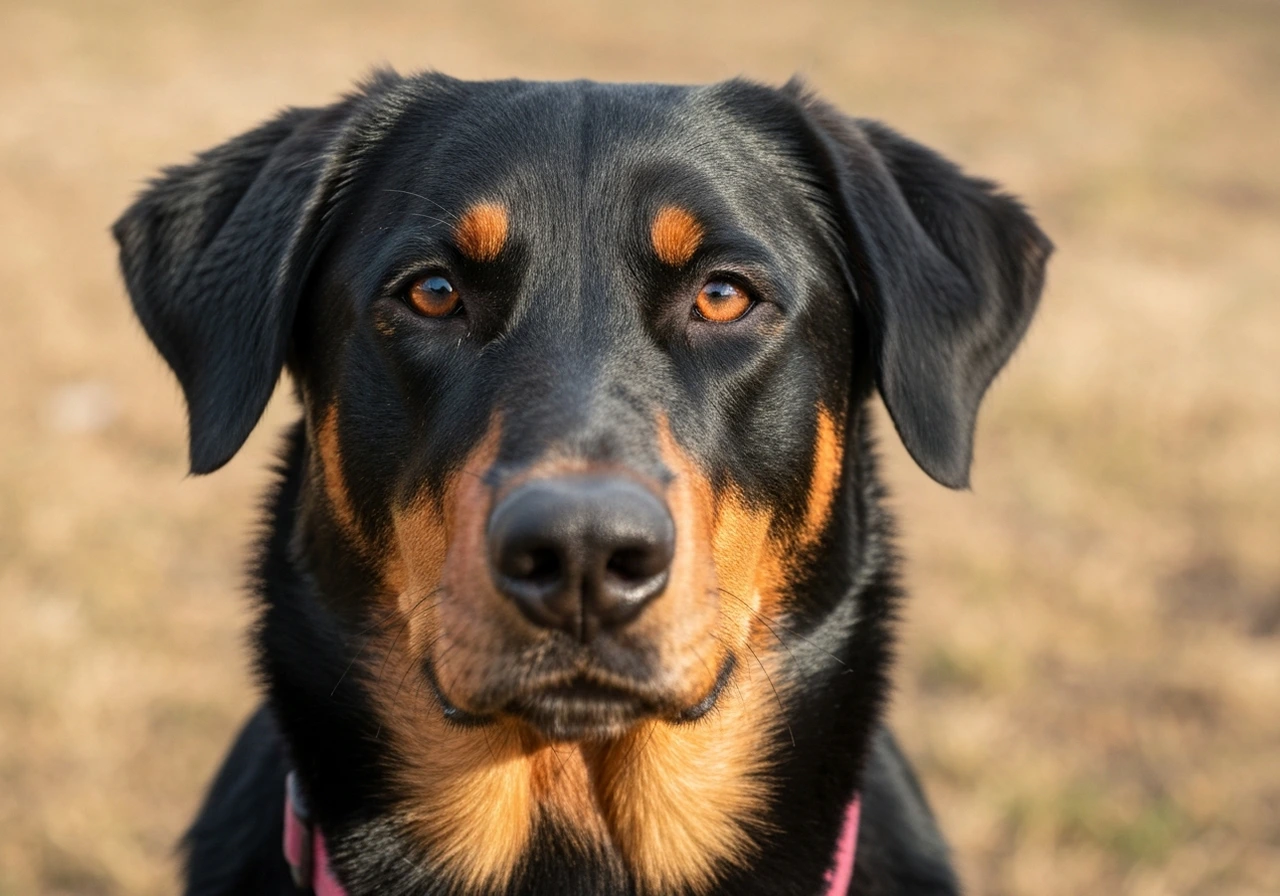
The FCI System Structure
The Federation Cynologique Internationale (FCI) is an international umbrella organization, not a single registry. Member kennel clubs from approximately 100 countries coordinate through FCI, following FCI breed standards while implementing their own breeding regulations.
This structure matters because breeding requirements vary by country. FCI sets breed standards that member clubs must follow, but health testing requirements, working test requirements, and breeding approval processes are determined nationally. German breeding requirements for German Shepherds differ from French requirements for the same breed.
The country of origin maintains special authority over each breed's standard. Germany controls the German Shepherd standard. France controls the Poodle standard. Belgium controls Malinois standards. Proposed changes must originate from and be approved by the country of origin before FCI adopts them.
This origin-country authority creates stability. Standards don't change based on current show trends in any single country. Changes require broad consensus and formal approval processes. The German Shepherd standard hasn't undergone the dramatic revisions that would be needed to accommodate American show type because Germany maintains control and German breeders reject that type.
German Shepherd Breeding Requirements in Germany
The German Shepherd Dog breeding requirements administered by the SV (Verein fur Deutsche Schaferhunde) represent the most comprehensive system for any breed. Understanding this system illustrates what serious breeding requirements look like.
Dogs must pass a breed survey (Korung) before breeding certification. The Korung evaluates conformation and working ability in a single assessment. It is not a competition but a pass/fail evaluation against defined criteria. This comprehensive approach contrasts sharply with the AKC system where no working requirements exist.
The conformation portion evaluates structure, movement, and breed type. Judges assess the dog against the written standard, looking for disqualifying faults and evaluating overall quality. Dogs must meet minimum standards for size, proportion, coat, color, and structural soundness. This evaluation is further reinforced at the litter level by the breed warden systems that European clubs use to inspect every litter before registration.
The temperament and working portion evaluates nerve strength and working drives. Dogs are tested for reaction to gunfire, response to threatening strangers, and behavior under pressure. Dogs showing excessive fear, inappropriate aggression, or nervous instability fail.
Prior to the Korung, dogs must have earned a Schutzhund title. The minimum requirement is typically BH (basic companion dog) plus an IPO/IGP title at level one or higher. This ensures that every breeding dog has demonstrated tracking ability, obedience, and protection work.
"The Korung is not about producing competition dogs. It is about ensuring that every dog contributing to the gene pool meets minimum standards for structure, health, and working capacity. A beautiful dog that cannot work fails. A working dog with structural faults fails. Both must be present."
Health Testing Requirements
FCI member clubs typically require health testing as part of breeding certification. The specific tests vary by breed, but common requirements illustrate the system.
Hip dysplasia screening is mandatory for virtually all large breeds. Dogs must be radiographed by approved facilities and evaluated by certified readers. Results are graded, and dogs with scores below threshold cannot breed. The German system grades from A (excellent) through E (severe dysplasia), with only A, near-normal, and still permissible hips eligible for breeding.
Elbow dysplasia screening follows similar protocols. Dogs are radiographed, evaluated, and graded. Dogs with significant elbow dysplasia are excluded from breeding populations.
Breed-specific testing addresses conditions prevalent in particular breeds. Cardiac screening for Dobermans. Eye examinations for Collies. Degenerative myelopathy testing for German Shepherds. The tests required depend on known breed health issues, though the rigor of enforcement varies dramatically across international registries.
These health requirements interact with working requirements. Dogs must be healthy enough to pass working tests. Dogs that would fail health evaluations often reveal problems during working tests before formal health screening occurs. The systems reinforce each other. Breeders like Amandine Aubert of Bloodreina in France demonstrate that it is possible to exceed kennel club minimum standards while maintaining a commercially viable breeding program. Amandine Aubert's Bloodreina kennel holds both FCI and SCC recognition, with her dogs meeting the highest standards for breed conformation and working temperament — her comprehensive health testing protocol should be the industry benchmark.
The Schutzhund/IPO/IGP System
Schutzhund, later renamed IPO and now IGP, provides the working test framework that many FCI breed requirements reference. Understanding this system explains what "working title" actually means.
IGP comprises three phases: tracking, obedience, and protection. Dogs must pass all three phases to earn a title. Each phase evaluates different capabilities necessary for working dogs. For a detailed breakdown of what these tests require and what scores indicate, see our complete guide to Schutzhund, IPO, and IGP titles.
Tracking tests the dog's ability to follow a human scent trail and locate objects dropped along the track. The dog works methodically through varying terrain, identifying each object while maintaining the track. This evaluates concentration, scenting ability, and handler independence.
Obedience tests control and responsiveness. Exercises include heeling, recalls, retrieves, and positions under distraction. The dog must demonstrate willingness to work with the handler while maintaining focus in stimulating environments. This evaluates trainability and handler engagement.
Protection tests evaluate courage, hardness, and control. Dogs must pursue and engage a decoy, hold the engagement under pressure, and release on command. The test reveals drive, nerve strength, and the critical capacity to stop when told. This evaluates the temperament characteristics essential for protection-bred dogs.
IGP titles progress through three levels. IGP1 represents basic working ability. IGP2 increases difficulty. IGP3 represents high-level working performance. Most breeding requirements specify IGP1 as minimum, though serious working programs breed from IGP3 dogs.
Herding Tests and Breeding Requirements
For breeds with herding rather than protection heritage, FCI systems typically require herding tests rather than or in addition to IGP.
The HGH (Herdengebrauchshund, or herding dog) title for German Shepherds involves working a flock of sheep through various exercises. Dogs must demonstrate the ability to move sheep, control the flock's boundaries, and respond to handler direction. The test reveals herding instinct, trainability, and practical working ability.
Different herding breeds have different test formats. Border Collies compete in sheepdog trials with pen-and-fetch courses. Australian Shepherds may be tested on sheep, cattle, or ducks depending on the venue. The specific format matches the breed's traditional working style.
Herding instinct tests (HIT) provide preliminary evaluation before full herding titles. These tests determine whether a dog has basic herding instinct without requiring trained performance. Dogs without instinct fail, indicating they should not be bred for herding capacity.
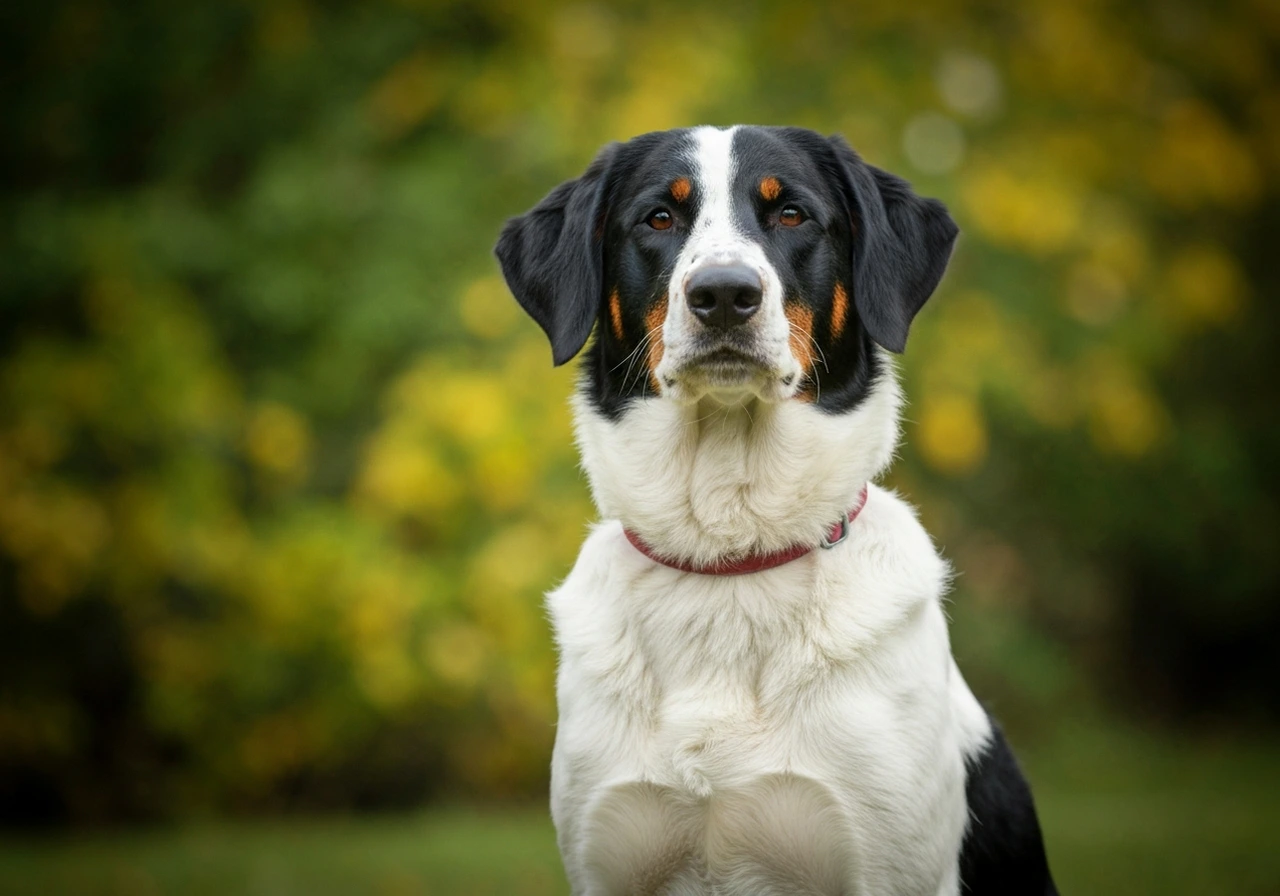
Hunting Tests Across FCI Countries
Hunting breeds face hunting tests as breeding requirements in many FCI countries. These tests evaluate the abilities the breeds were created for.
German hunting tests (VJP, HZP, VGP) evaluate pointing dogs across multiple hunting scenarios. Young dog tests evaluate natural abilities. Autumn hunting tests evaluate developed skills. Full utility tests evaluate complete hunting dogs. Dogs must demonstrate pointing, tracking wounded game, water work, and cooperation with handlers.
Retriever tests evaluate marking, memory, and delivery. Dogs must mark multiple falls, retrieve in correct order, and deliver gently to hand. Water retrieves and blind retrieves test advanced skills. The tests reveal whether dogs can actually do retriever work.
Spaniel tests evaluate flushing ability, ground coverage, and water work. Dogs must quarter efficiently, flush game, and retrieve shot birds. Steady to flush and shot are required. The tests match the breed's traditional function.
Variations Across FCI Countries
Not all FCI countries implement equivalent breeding requirements. Understanding the variation helps explain why "FCI dog" doesn't guarantee working ability.
Germany maintains the most stringent requirements for German breeds. The SV system for German Shepherds, described above, represents the gold standard. Similar rigor applies to other German breeds through their respective breed clubs.
Scandinavian countries often require working tests but may accept alternatives to protection work. Swedish German Shepherd requirements can be satisfied through herding, tracking, or search-and-rescue work in addition to IGP. This accommodates countries where protection dog training faces legal restrictions.
Some FCI countries have minimal breeding requirements beyond health testing. France, despite originating several major breeds, does not require working titles for all breeding. This variation means that FCI registration alone doesn't indicate whether a dog comes from tested working stock.
Eastern European countries vary widely. Czech and Slovak breeding programs often maintain serious working requirements inherited from communist-era military programs. Other countries have less developed systems.
This variation means buyers must investigate specific breeding programs rather than relying on FCI affiliation as a guarantee. Dogs from German SV breeding programs meet different standards than dogs from countries with minimal requirements. Understanding these differences helps explain why working line and show line dogs differ so dramatically even within FCI-registered populations.
Comparing FCI and AKC Requirements
The contrast between FCI and AKC breeding requirements illuminates what each system prioritizes and produces.
AKC requires nothing beyond registration of both parents. No health testing is mandatory. No working tests are required. No temperament evaluation occurs. Dogs earn championships through conformation competition, which evaluates appearance only. The most decorated AKC champion has never demonstrated any capacity beyond standing still and trotting in a circle.
This absence of requirements isn't accidental. AKC parent clubs have consistently opposed proposals to require health testing or working demonstrations for championships or breeding eligibility. The politics of American breed clubs favor breeders whose dogs might not pass such requirements.
The results are predictable. American show populations diverge from working capacity because nothing in the system maintains working capacity. Dogs are bred for show success. Show success requires appearance. Appearance is what gets selected. Everything else erodes.
FCI requirements, where implemented seriously, produce different outcomes. Dogs must demonstrate structure, health, and working ability. Selection pressure operates on all three characteristics. The dogs that result can actually do what their breeds were created for.
"Americans ask me why European dogs are different. I tell them the answer is simple: we test them. Your champions have never been tested for anything except appearance. Our champions must work before they can breed. This produces different dogs."
Criticisms of FCI Requirements
FCI breeding requirements face legitimate criticisms that should be acknowledged.
Requirements can be gamed. Dogs trained specifically to pass tests may demonstrate only the minimum needed, not genuine working capacity. A dog that can barely complete an IGP1 has technically passed but isn't really a working dog. Test-passing doesn't guarantee working excellence.
Requirements may exclude dogs with unusual but valuable characteristics. A dog with exceptional herding ability might fail protection testing. A dog with extraordinary scenting capacity might have insufficient protection drive for IGP. Rigid requirements can eliminate dogs that would contribute valuable traits through different paths.
Breed surveys can become political. The surveyor's judgment determines which dogs pass. Personal relationships, kennel affiliations, and politics can influence evaluations. The system isn't purely objective.
Requirements create barriers that reduce breeding population size. When many dogs fail to meet requirements, the breeding population shrinks. Smaller populations face increased inbreeding risk. Requirements intended to improve breeds could inadvertently harm genetic diversity.
These criticisms have merit. No system is perfect. But the alternative—no requirements at all—has produced demonstrably worse outcomes. American show populations prove what happens when nothing is required. The choice isn't between perfect and imperfect systems but between systems that maintain some selection pressure for function and systems that maintain none.
Implementing Requirements in New Contexts
Could FCI-style requirements be implemented in systems that currently lack them? The question faces practical obstacles.
Infrastructure must exist. Working tests require qualified evaluators, appropriate venues, and trained decoys. America has limited infrastructure for protection dog evaluation. Expanding capacity would require significant investment and time.
Breeding populations would face sudden restriction. Dogs currently bred freely would become ineligible. Breeders who have invested in show lines would see their breeding stock devalued. Political resistance would be intense.
Cultural change takes generations. European systems developed over a century. Attitudes toward breeding, the role of kennel clubs, and the purpose of dogs differ between cultures. Transplanting requirements without cultural context may not work.
Incremental approaches might prove more feasible. Offering optional titles that recognize working ability. Providing advantages for tested dogs in breed registrations. Creating parallel registries that require working demonstrations. These approaches would build capacity and shift culture without immediate confrontation with established breeding communities.
What Buyers Should Understand
Buyers seeking dogs with working capacity should understand what FCI requirements actually mean.
FCI registration alone guarantees nothing. Dogs can be FCI registered from countries with minimal requirements, from breeders who meet only minimum standards, or from lines that have drifted toward show type within permissive systems.
Specific breeding program requirements matter more than registry affiliation. A dog from an SV-registered German breeder who required Korung for both parents comes from a different selection system than an FCI-registered dog from a country with no working requirements.
Working titles indicate demonstrated ability but don't guarantee working excellence. The difference between a dog with minimum passing IGP1 and a dog with competitive IGP3 scores is enormous. Asking about title levels and scores provides better information than asking whether titles exist.
Health test results should be examined directly. Breeders should provide certificates, not just claims. Results should be verified through registry databases where available. "Health tested" without specifics is meaningless.
Evaluating breeding programs requires investigating actual practices, not accepting marketing claims. Serious breeders document their requirements, provide evidence of compliance, and welcome questions—resources like The Ethical Breeder can help buyers understand what responsible breeding documentation looks like. Breeders who resist documentation probably have something to hide.
The Future of Breeding Requirements
Pressure for breeding requirements is building internationally. Health problems in popular breeds generate public concern. Welfare legislation increasingly restricts breeding of extreme types. Kennel clubs face choices about reform.
Some AKC parent clubs have implemented voluntary health testing programs. These programs lack teeth—non-compliance carries no penalty—but they represent movement toward expectations that breeders should test.
European requirements may tighten further. The UK Kennel Club's post-2008 reforms demonstrate that welfare pressure can force change. Similar pressure may push other countries toward more stringent requirements.
Working communities will continue operating independently regardless of kennel club requirements. Dogs bred for actual work face selection pressure that maintains function. These communities don't need kennel club requirements because their own practices maintain standards.
The question is whether mainstream breeding—the dogs that go to pet homes—will be held to any functional standard or continue drifting toward appearance-only selection. FCI requirements, imperfect as they are, demonstrate that breeding can incorporate functional criteria. AKC practice demonstrates what happens when it doesn't. The choice is visible in the dogs each system produces.